


CAMPER READINESS
To fully participate in Camp Wojtyla, campers must be in good physical and mental health and capable of thriving in a rugged, outdoor environment at elevations of 7,800 feet or higher. Campers will engage in a significant amount of walking, hiking, climbing, and other physically demanding activities.


HEALTH & SAFETY
PARENT info


Nutrition
TRAVEL

PACKING OVERVIEW
To fully participate in Camp Wojtyla, campers must be in good physical and mental health and capable of thriving in a rugged, outdoor environment at elevations of 7,800 feet or higher. Campers will engage in a significant amount of walking, hiking, climbing, and other physically demanding activities.
Some or all elements of life at Camp may aggravate certain health conditions. Please reference our program-specific Essential Eligibility Criteria for the physical and behavioral expectations at Camp Wojtyla.
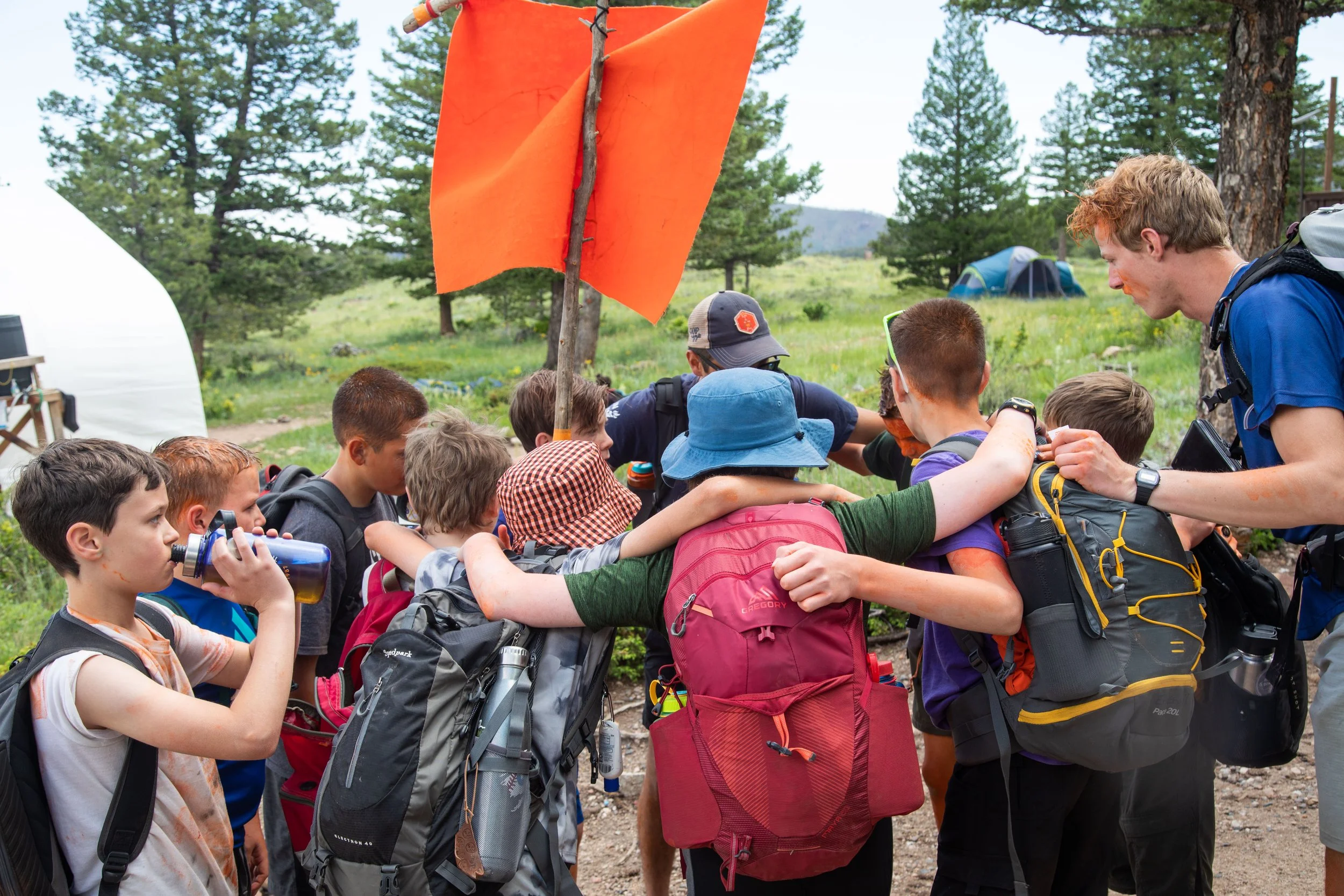
Our Basecamp programs include the Middle School Wilderness Adventure, the High School Outpost Adventure, and Alpine Expedition. These campers are placed in small, carefully selected groups that do everything together: eat, sleep, hike, and more. For this reason, campers must be able to follow directions, work well with peers, and contribute positively to group life.
Basecamp Camper Readiness
-
Each participant must…
Be able to follow verbal directions given by the group leaders
Be able to effectively signal or notify group leaders or other group members of personal distress, injury, or need for assistance
Act reliably around designated hazards (including but not limited to loose rock, cliff edges, moving water, wild animals) to minimize risk
-
Each participant must…
Work effectively as a member of a team despite potentially difficult social or physical conditions
Contribute to a safe learning environment—no verbal or physical inappropriate behavior towards others is tolerated for any reason
Effectively communicate ideas and concerns on an individual and group level
Be open to participating within a Christian environment. While Camp Wojtyla does not require campers to be practicing Catholics, programs are faith-based and participants are expected to be respectful during group activities and discussions.
-
Each participant must…
Remain adequately hydrated, fed, and properly dressed so as to remain generally healthy and avoid environmental injuries such as hypothermia, heat illness, or sunburn.
Be able to move about the campsite in order to attend activities, attend to toileting needs, and contribute to group tasks as necessary.
Live in teepees or tents in a rustic environment for the uninterrupted period of the program length, which ranges from 6-9 days. Conditions of this environment may vary from cold (below 40º F) to hot (above 90º F), depending on the campers’ session dates, and may include rain, snow, hail, and intense sun and wind
Have the average strength and endurance and basic balance and agility needed to travel on hiking trails with a small backpack.
-
Due to Camp Wojtyla’s remote location, it may take 30+ minutes in clear weather to reach advanced medical care.
Parents (and campers 18+) must digitally sign an acknowledgment during registration:
“I have read and understand the living conditions and expectations of Camp Wojtyla programs. If my child (or I, if over 18) cannot meet these criteria, I understand that Camp Wojtyla staff may send the participant home early.”
-
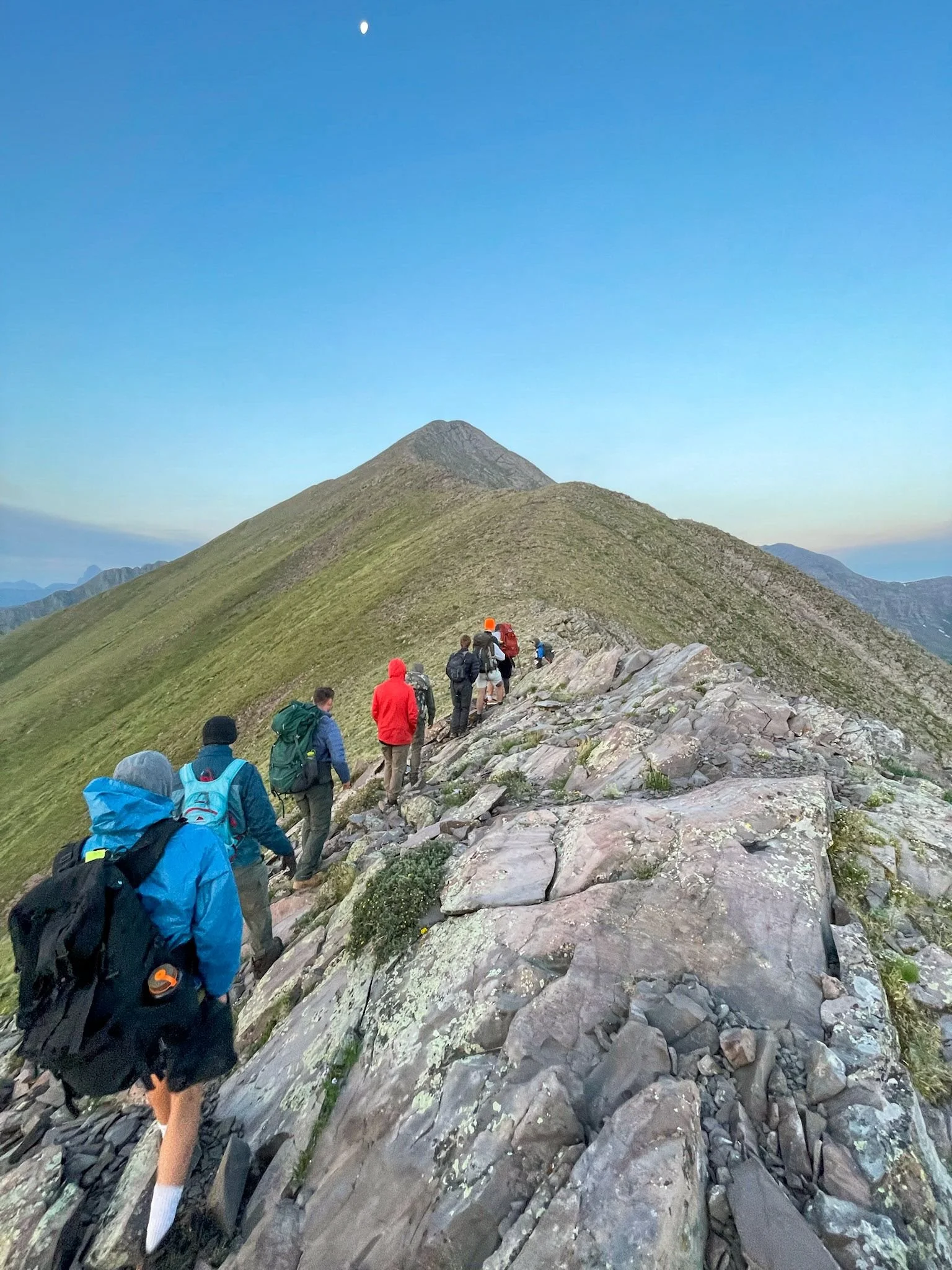
Hiking conditions may include rough, rugged, uneven steep and sloping terrain. Rocky terrain that may range from smooth bedrock to extensive areas of large rock boulders (boulder fields). Campers may need to ascend, descend or traverse slopes covered in snow, rocks or vegetation.
Hiking distances can range from less than one mile to more than eight miles in one day, and duration can range from less than one hour to more than six hours in one day.
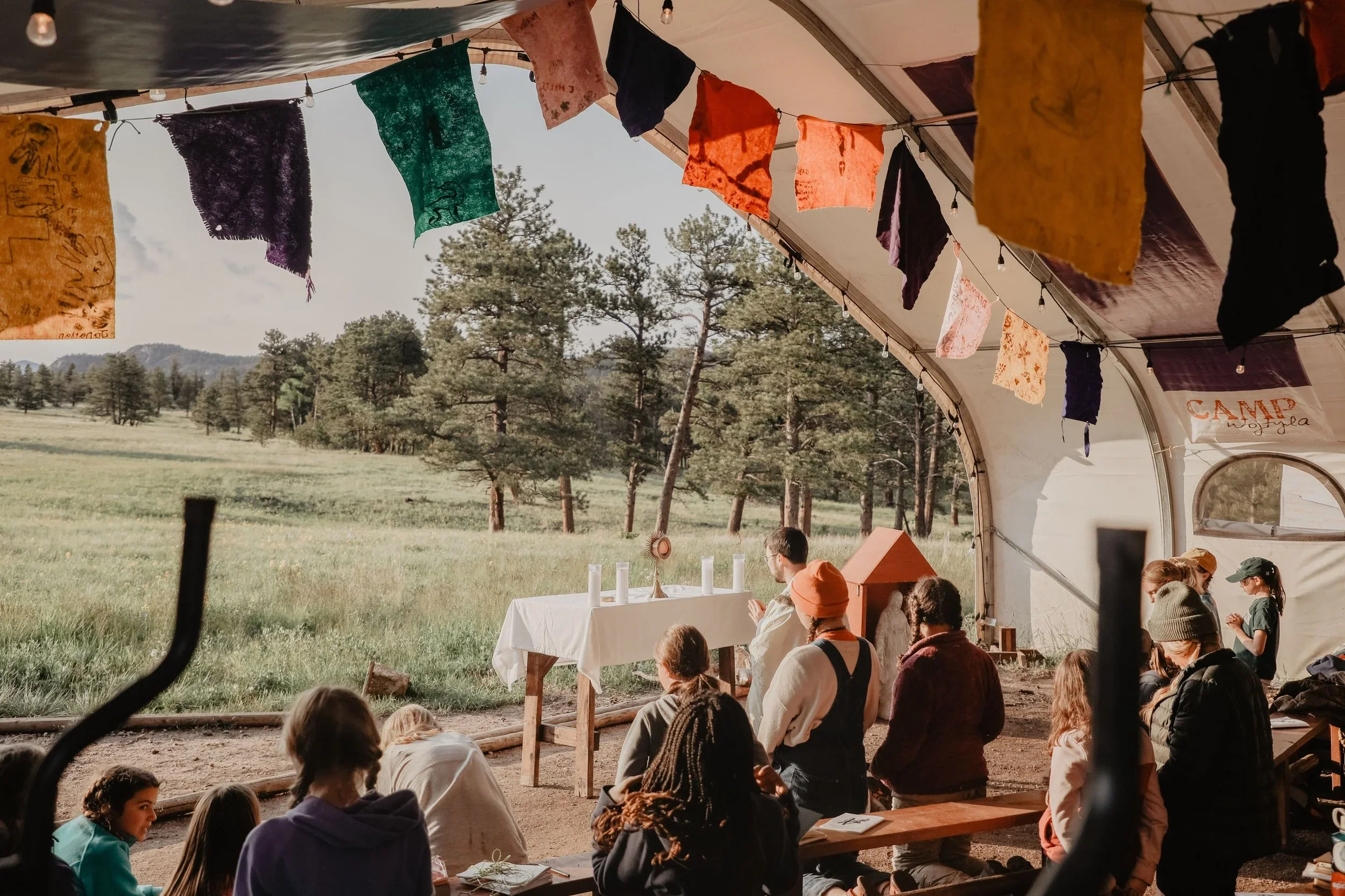
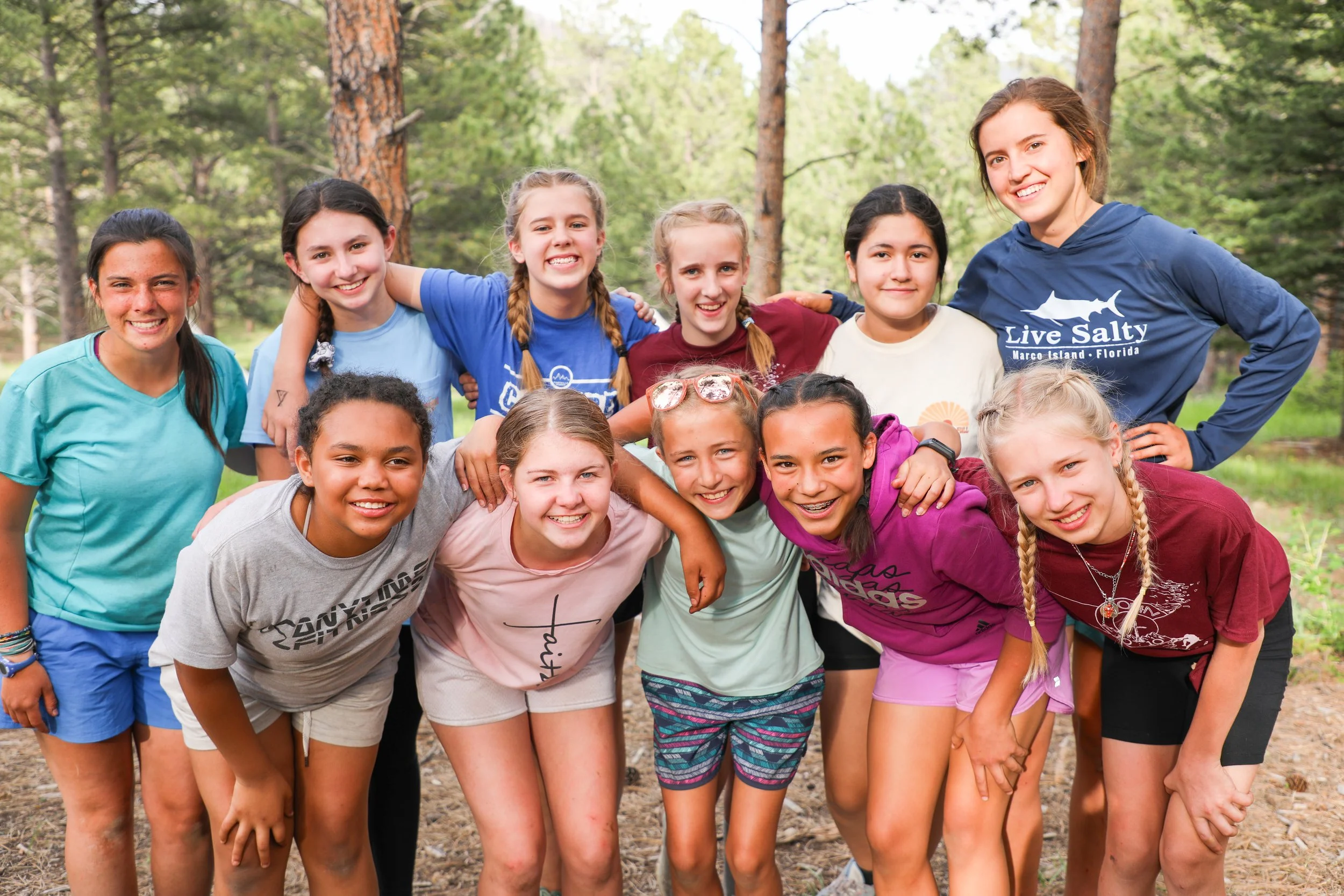
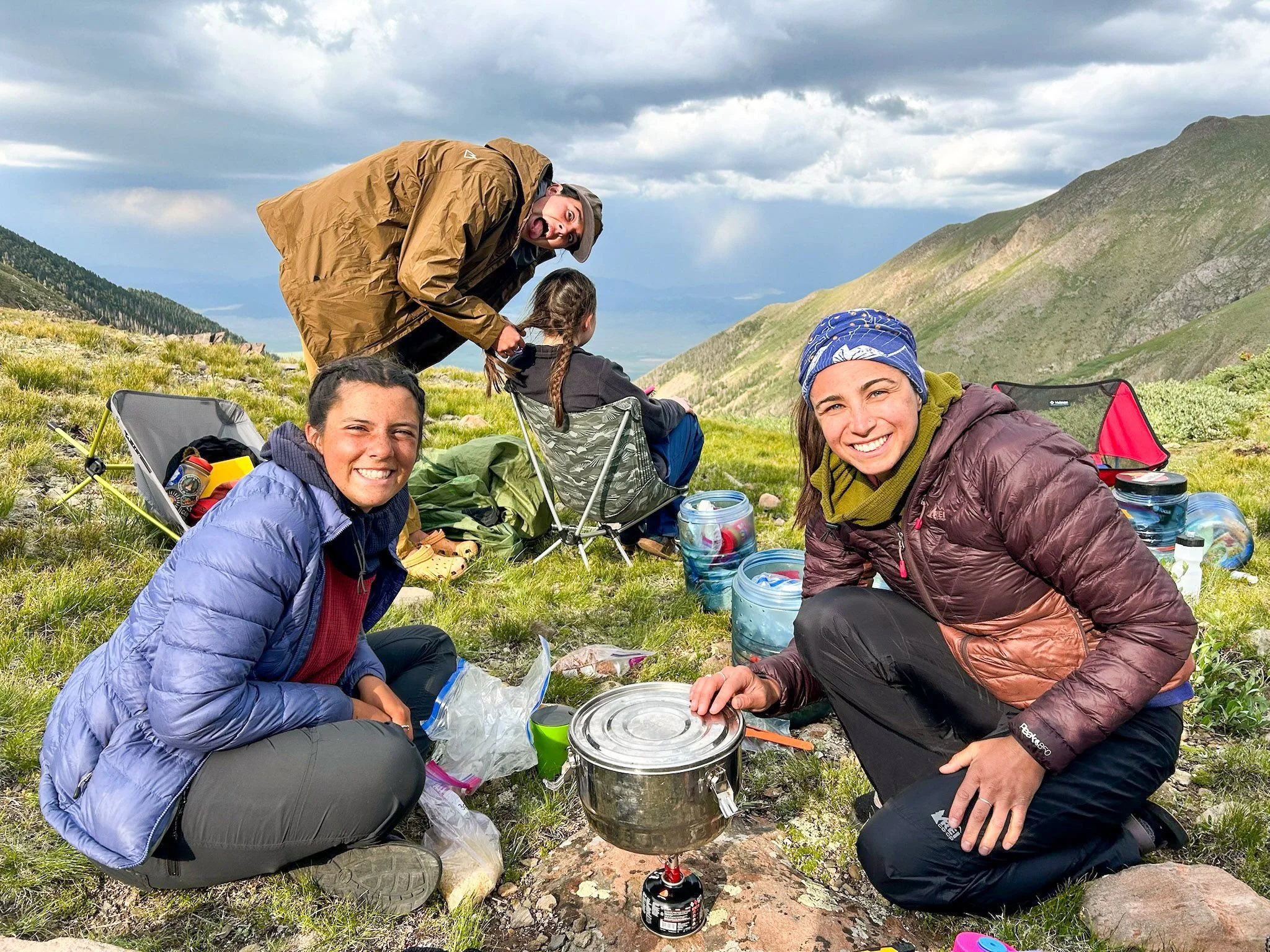
Our Backcountry Expeditions involve remote travel, rugged terrain, and physical challenges. While beginner-friendly, they’re best suited for teens with average or above-average health and fitness. These trips are deeply rewarding for those who are ready, but can be too demanding for others. Not sure if it’s a good fit? Check out our Backpacking FAQ below!
Backpacking Camper Readiness
-
Each participant must…
Be able to follow verbal directions given by the group instructors.
Recall and understand hazards and risks previously explained or pointed out by instructors. These basic environmental hazards include, but are not limited to, falling objects/rocks, loose rock and unstable surfaces, rugged steep and uneven terrain, cliff edges, moving water (fast or slow) such as rivers, creeks; and potentially hazardous animals and insects.
Be able to effectively alert and warn others of potential or impending dangers such as falling rocks, aggressive animals, or other environmental hazards.
Be able to effectively signal or notify program instructors or other course members of personal distress, injury, or need for assistance.
Act reliably around above stated hazards to minimize risk even if not directly supervised.
Be able to stay alert and to focus attention for up to several hours at a time while traveling in wilderness terrain, attending activities, or receiving instructions.
Be able to respond appropriately to stress or crisis such as when encountering large and/or potentially hazardous animals, severe weather, or a medical emergency.
-
Each participant must…
Work effectively as a member of a team despite potentially stressful and difficult conditions. Trips involve living in close quarters with limited personal time. Trips may require problem solving on an interpersonal or group level as well as a willingness to accept differences.
Contribute to a safe learning environment—no verbally or physically inappropriate behavior of others is tolerated for any reason.
Be able to willingly and equally share responsibility with group mates in daily group chores (setting up tents, cooking, dishes, etc.). Each participant may not do an equal share each day, but over a period of several days each student should do a proportionate share. All campers are learning the skills and being challenged by the conditions and activities; there can be no expectation that any other camper will be able to continually assume a greater share of the work or that an instructor can continually focus a greater share of his/her energy and time on one camper.
Effectively communicate ideas and concerns on an individual and group level.
Have the cognitive ability to learn necessary skills given normal time limitations of a CW trip.
Be open to participating within a Christian environment. While CW does not require campers to be believing or practicing Catholics, trips are faith-based and participants are expected to be respectful during group activities and discussions.
-
CAMPING
Learn and competently perform the fundamental camping skills of finding a campsite, setting up a shelter, and cooking with a camp stove.
Remain adequately hydrated, fed, and properly dressed so as to remain generally healthy and be able to avoid environmental injuries such as hypothermia, heat illness, sunburn or frostbite.
Be able to move about the campsite in order to attend activities, attend to toileting needs, and contribute to camping tasks as necessary.
Live in a physically demanding backcountry environment for the uninterrupted period of the course length, which can range from 4-12 days. Conditions of this environment may vary from cold (below 40º F) to hot (above 90º F) depending on course location and month and may include, but are not limited to, rain, snow or hail, uninterrupted sun and/or wind, or the absence thereof. The remoteness is such that it may require at minimum 1 mile travel, but up to or exceeding an entire day of travel (for longer expeditions), to reach the nearest road and advanced medical care.
WILDERNESS HIKING
Be able to travel over and negotiate through varied wilderness terrain with a backpack weighing up to or exceeding 50 pounds or 40% of body weight.
Have average strength and endurance and basic balance and agility to travel through such terrain with a backpack.
Travel conditions may include, but are not limited to, rough, rugged, uneven steep and sloping terrain; human made and animal made trails; rocky terrain that may range from smooth bedrock to extensive areas of large rock boulders (boulder fields); crossing rivers and creeks without the aid of bridges; ascending, descending or traversing slopes covered in snow, rocks or vegetation; bushwhacking off-trail through thick standing and/or downed vegetation. Any and all travel can occur during periods of inclement weather or nighttime hours.
Travel distances can range from less than one mile to more than eight miles in one day. On average, a week-long backpacking trip travels up to or exceeds 25 miles during the program.
Travel duration can range from less than one hour to more than 12 hours in one day and occur on successive days.
Although groups will often be able to take hourly breaks or camp early, if weather becomes hazardous, this may not be possible. Examples include: descending/ascending a boulder choked gully; descending a peak with a threatening thunderstorm; descending a mountain pass in similar conditions.
Have the ability to have a third point of contact for balance purposes, such as with hand(s) on boulder fields or ascending or descending slopes.
ENVIRONMENTAL ETHICS
Learn and then practice Leave No Trace camping and travel techniques explained by instructors.
-
Due to Camp Wojtyla’s remote location, it may take 30+ minutes in clear weather to reach advanced medical care.
Parents (and campers 18+) must digitally sign an acknowledgment during registration:
“I have read and understand the living conditions and expectations of Camp Wojtyla programs. If my child (or I, if over 18) cannot meet these criteria, I understand that Camp Wojtyla staff may send the participant home early.”Due to the remote nature of our backpacking trips and limited access to emergency medical care, participants with a history of anaphylaxis of any sort- insect stings (including bees, wasps, and similar insects), food, etc., may not participate in a Backpacking program.
-
Still not sure if backpacking is a good fit for your child? Click here to view our Backcountry FAQ.
Once you’ve selected a program and your child has been offered a spot at Camp, we will collect a full camper health history during online registration. If your child has a physical, mental, or emotional health condition that may impact their ability to safely participate in Camp activities, and you’d like to discuss it prior to entering our lottery or waitlist, please contact us. A member of our administrative team will follow up with you directly.